
Introduction
Bhutan, the Himalayan kingdom with its terraced valleys and ancient monasteries, has become a magnet for Indian travellers seeking a quiet escape. Yet the question of how much a Bhutan trip costs from India keeps many on the fence.
This article gives you a day‑by‑day, itemised cost for 2026, from the Sustainable Development Fee to the price of a local meal, so you can budget without guessing.
Daily Cost Breakdown
Flights or Road Travel
Round‑trip airfare from Delhi to Paro in 2026 averages 12,000 INR per person, while a bus from Phuentsholing to Paro costs about 1,200 INR. The border crossing fee is 200 INR.
Sustainable Development Fee & Guided Tour
Indian nationals pay 2,000 INR per day for the Sustainable Development Fee and an equal amount for the mandatory guide. That totals 4,000 INR daily for entry and local guidance.
Accommodation
Budget guesthouses in Thimphu and Paro offer double rooms for 1,500 INR per night, including a simple breakfast. Hostels and shared dorms drop the price to 1,000 INR.
Food
A typical local meal at a dhokla stall costs 150 INR, while a three‑course lunch at a guesthouse is 350 INR. A daily food budget of 500 INR covers breakfast, lunch, and a snack.
Local Transport
Shared taxis between towns average 200 INR per ride, and a day‑tour bus costs 400 INR. A private tuk‑tuk for a half‑day is 1,000 INR.
Itinerary Highlights
Thimphu
Thimphu’s low‑key streets wind around the iconic Buddha Dordenma statue and the bustling weekend market. The city’s rhythm is set by the rhythmic chanting of monks in the early mornings.
The city is a canvas of terracotta roofs and wooden temples that glint in the Himalayan light.
- Chorten Kora – a quiet stupa where locals light incense without the tourist crowds.
- National Memorial Chorten – offers a panoramic view of the city after a short climb.
During the annual Thimphu Festival, the streets fill with traditional dances that narrate Bhutanese folklore.
Two to three days capture the city’s essence and its surrounding villages.
Paro
Paro is dominated by the ancient Paro Dzong, a fortress‑monastery that rises from the valley floor. The air is thin, but the view of the Himalayas is expansive.
The Dzong’s stone walls echo with the chants of monks, and the surrounding gardens are a study in meticulous horticulture.
- Rinpung Dzong – a lesser‑visited monastery with a tranquil courtyard.
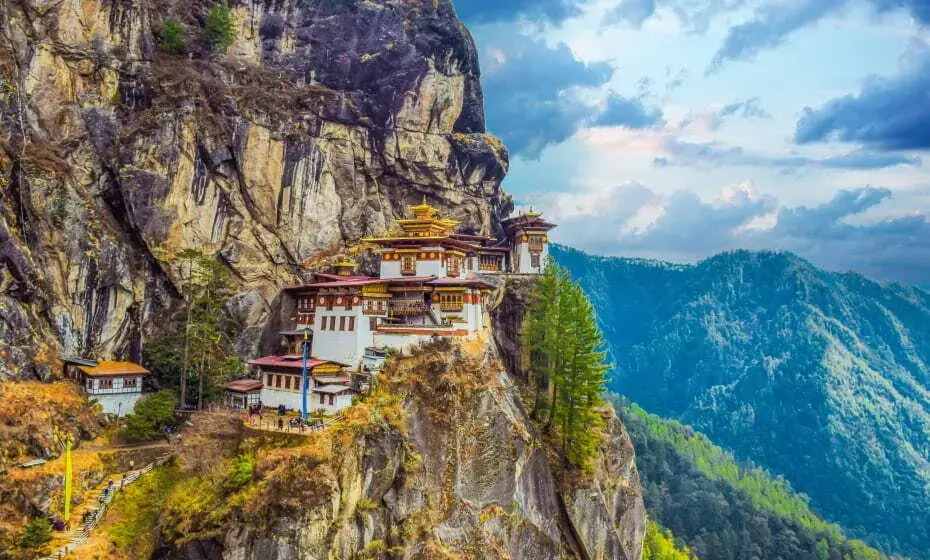
- Paro Taktsang (Tiger’s Nest) – a hike that rewards you with a sunrise over the valley.
The Paro Tshechu festival showcases masked dances that symbolize the triumph of good over evil.
A single day is enough to visit the Dzong and the Tiger’s Nest; a second day lets you explore the nearby villages.
Punakha
Punakha’s dual dzongs, Punakha Dzong and Chimi Lhakhang, sit beside a river that glows at sunset. The architecture blends fortress and temple in a single structure.
The river’s silver sheen is a backdrop to the monks’ morning prayers.
- Chimi Lhakhang – known as the “Temple of Fertility,” it is rarely crowded.
- Rongdu Valley – offers a quiet walk with views of the Punakha Palace.
During Punakha Tshechu, the streets are lit by lanterns and filled with traditional music.
Two days are ideal: one for the dzongs and one for the surrounding valley.
Bumthang
Bumthang, the heartland of Bhutanese spirituality, is a cluster of villages surrounded by high peaks. Its temples are carved into rock faces and emit a subtle incense aroma.
The region’s silence is broken only by the distant bells of monasteries.
- Jambey Monastery – a remote site with fewer tourists.
- Yumthang Valley – offers floral carpets in spring.
The Bumthang Tshechu is a quiet celebration of local deities.
Three days allow for temple visits and a valley hike.
When to Go
The most pleasant time for a budget Bhutan trip from India is April to June and September to October. During these months the weather is mild, and the tourist crowds are thinner, keeping local transport and accommodation prices steady.
Before You Go
- Book your flight or bus tickets at least three months ahead to secure lower rates.
- Apply for your visa online; the e‑visa portal updates with the latest fee structures.
- Carry a small amount of cash in Indian rupees; many small vendors accept it, but you’ll need Bhutanese Ngultrum for official fees.
- Pack layered clothing; the temperature can swing from warm to cool within the same day.
- Download a local map offline; GPS coverage can be spotty in remote areas.
- Inform your bank of your travel dates to avoid card blocks.
- Check the latest health advisories and carry a basic first‑aid kit.
Plan your budget‑friendly Bhutan adventure with verified local agencies on Journey For You, and enjoy a trip that fits both your wallet and your wanderlust.